What is D-Aspartic Acid and How It Functions
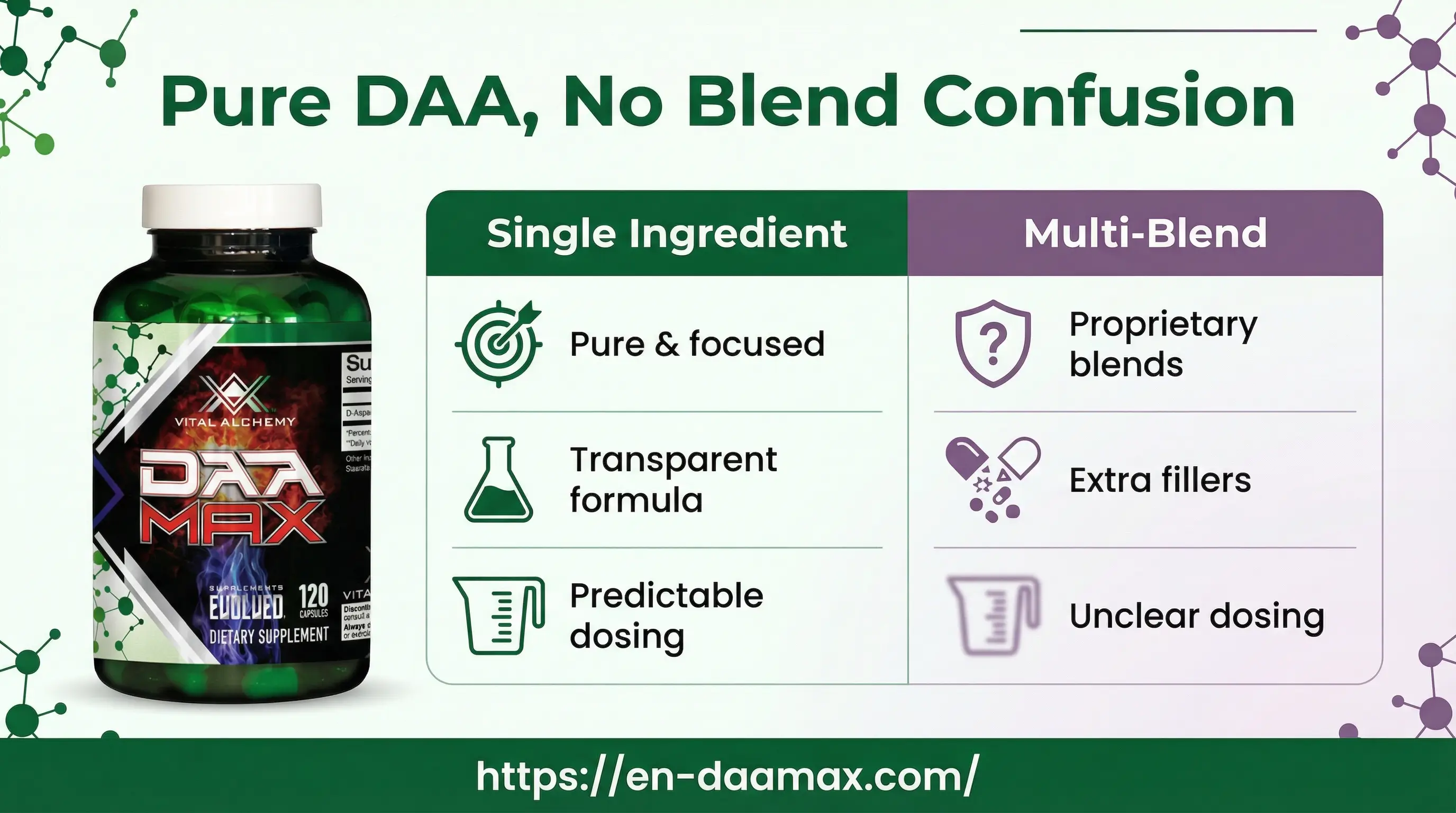
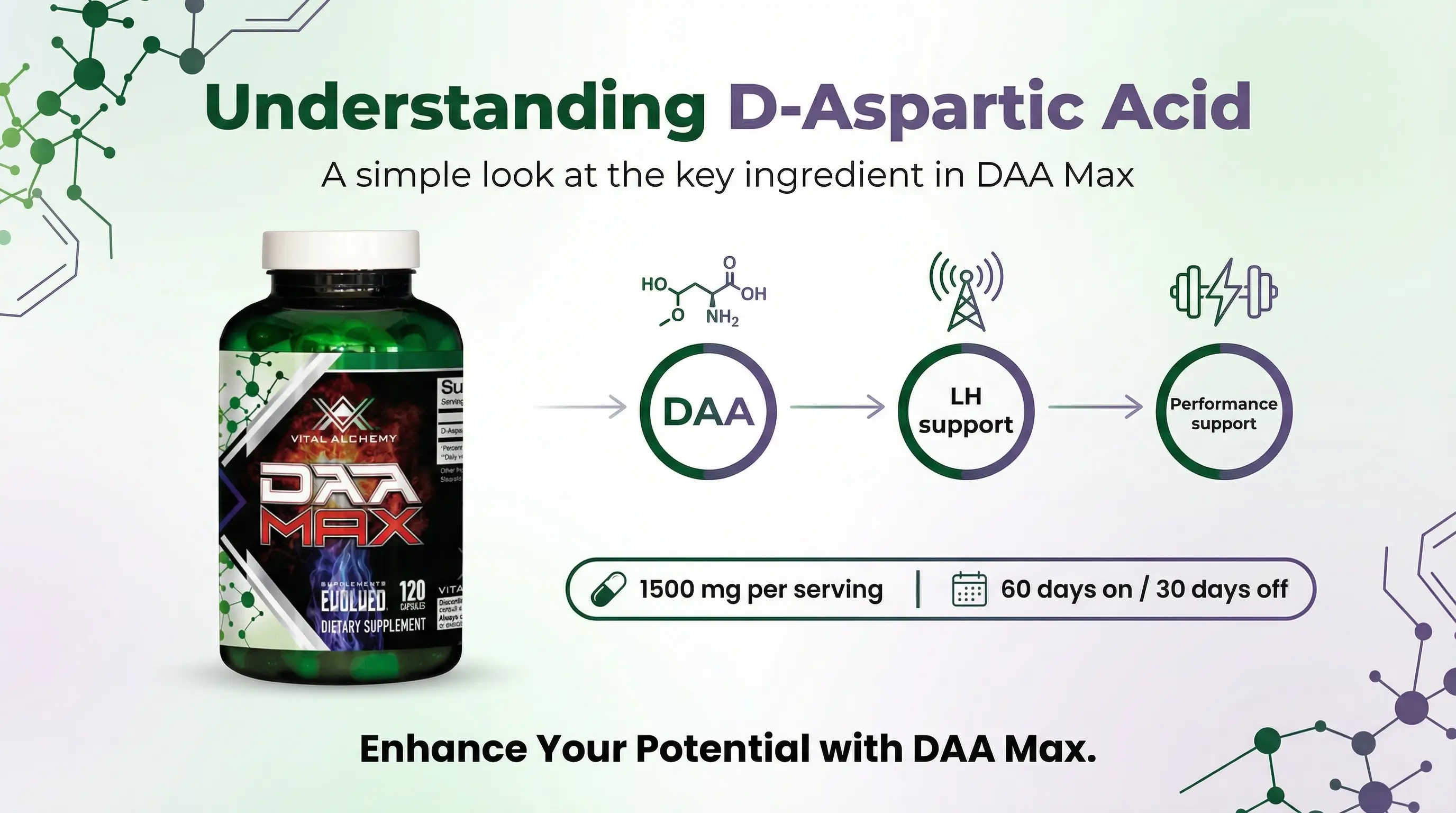
D-Aspartic Acid acts as a key amino acid that your body produces on its own. This compound plays a vital role in hormone regulation. It stimulates the release of luteinizing hormone, which then boosts testosterone levels. DAA Max is D-Aspartic Acid in its pure form, made to improve that support without extra fillers. Research backs this up, as DAA encourages better hormone flow for improved performance.
Optimal Dosing: Why 1500mg Per Serving Delivers Results
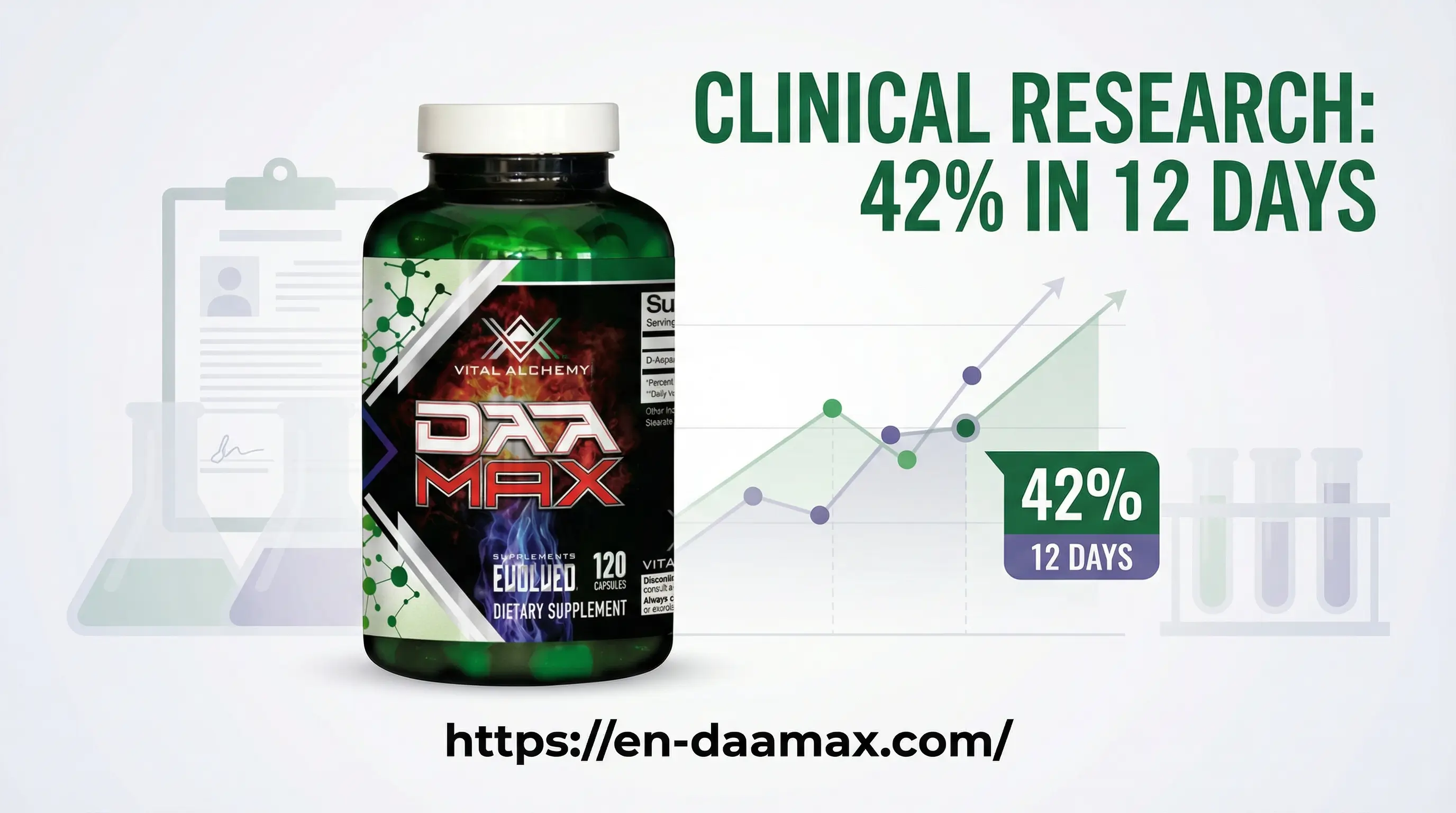
Vital Alchemy designs DAA Max with precise dosing to boost total male performance. Each serving delivers 1,500 mg of D-Aspartic Acid through two capsules. Users take four capsules daily for a total of 3,000 mg. This amount matches doses in key clinical studies that show real testosterone gains. Men report stronger general physical gains and improved energy with this setup.
Cycling Protocol: 60 Days On, 30 Days Off for Maximum Effectiveness
DAA Max uses a cycling protocol to boost testosterone levels safely. Users follow this method to avoid tolerance and sustain gains in total male health.
- Experts suggest up to 60 days of continuous use for DAA Max to support natural testosterone production and improve total performance.
- Follow the 60-day period with 30 days off, as this break helps reset the body and prevents reduced effectiveness over time.
- This cycling approach maintains results by stopping tolerance buildup, which can happen with nonstop supplement intake.
- Research shows that cycling like this enhances general physical benefits, such as better energy and muscle growth.
Safety Profile and Natural Composition
Vital Alchemy designs DAA Max with a natural composition that focuses on D-aspartic acid as its core ingredient. This amino acid supports general male health without synthetic additives. Experts confirm that healthy adults tolerate DAA Max well at 3 grams per day. The formula avoids estrogen conversion, which eliminates the need for estrogen blockers. Vital Alchemy advises against use for those under 18, pregnant or nursing women, and individuals with hormone-sensitive conditions.